During April 2026, markets have continued to experience volatility as the conflict in the Middle East has developed. Find out what external factors may have affected the performance of your investments.
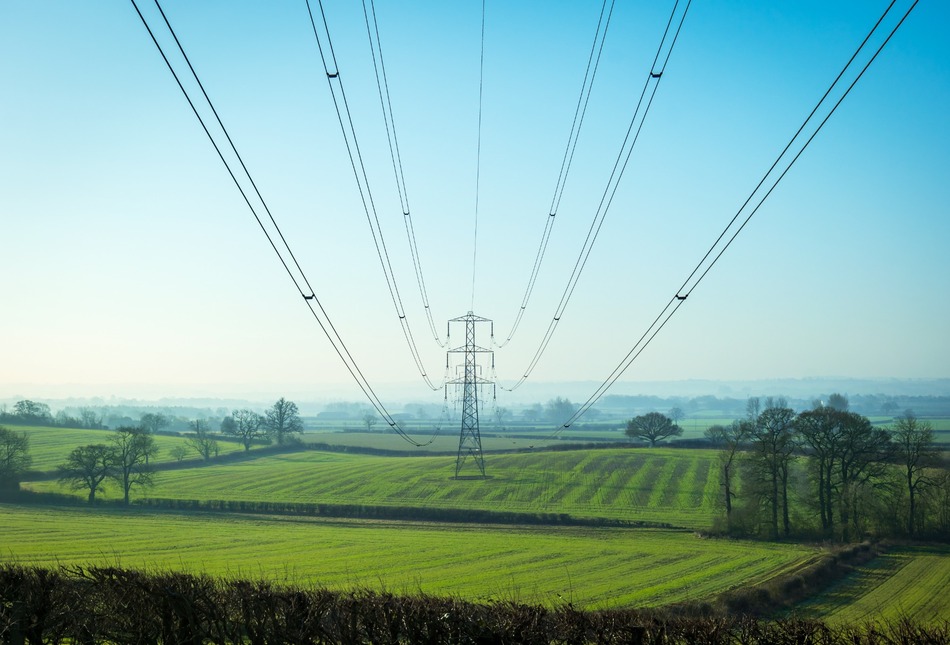
One effect of the conflict on global markets is the rising price of energy. Indeed, analysis from UBS suggests that March 2026 experienced the largest increase in global energy inflation for at least 25 years.
Remember, market volatility is a part of investing, and it’s important to take a long-term view when reviewing the performance of your portfolio.
Uncertainty in the Middle East led to volatility
April 2026 started with the hope that the conflict in the Middle East would be resolved, which led to rallies in European and US markets.
Among the indices that were up on 1 April were the UK’s FTSE 100 (1.85%), France’s CAC 40 (2.3%), Italy’s FTSE MIB (2.6%), Spain’s IBEX (2.7%), and the US’s Dow Jones Industrial Average (0.6%).
However, on the evening of 1 April, US President Donald Trump delivered a primetime address. His speech suggested the situation in the Middle East would escalate and dented hopes of an early end to the conflict.
As a result, when markets opened in Asia-Pacific, Europe, and the US on 2 April, they dipped.
Following news of a ceasefire agreement between Iran and the US on 8 April, the FTSE 100 was up 2.6%. Only three companies fell: oil companies BP and Shell, and British Gas owner Centrica. European stocks were also up – the pan-European Stoxx 600 index jumped 4%.
Yet, it didn’t take long for worries to emerge that a ceasefire would falter. On 9 April, concerns led to Asian and European markets falling again.
The soaring price of oil and the need to reroute some flights led to airline stocks being hit on 13 April when talks between Washington and Tehran broke down. IAG, the parent company of British Airways, was down 2%. Wizz Air (-6.5%) and easyJet (-3.8%) were also among those affected.
On 17 April, it was revealed that the UK government was considering ways to break the link between gas and electricity. The potential change would ease the burden on households and businesses, but could affect the profits of energy companies. When the FTSE 100 opened, it dropped 0.14%, with energy companies among the biggest losers, including SSE (-4%) and Centrica (-3.5%).
Later in the day, Iran announced that the Strait of Hormuz, an important waterway for trade, was now fully open. The news led to indices rising, including the Dow Jones (1.2%), the S&P 500 (0.7%), and the FTSE 100 (0.6%).
However, over the following days, there was uncertainty over a ceasefire and the accessibility of the Strait of Hormuz, which Iran declared closed. As a result, on 20 April, European markets fell when opening. Again, airlines were among the biggest fallers, while stocks in energy producers increased.
On 24 April, Trump threatened the UK with a “big tariff” if the UK did not drop its digital services tax on US social media firms. On opening, the FTSE 100 was 0.46% lower.
In contrast, Japan’s Nikkei closed on a record high thanks to earnings reports from the technology sector. In the week to 24 April, the index was up 2.1%.
The good news continued for the Nikkei when markets reoponed on 27 April. The index surpassed 60,000 points for the first time on the back of peace talks taking place between the US and Iran.
UK
Data from the Office for National Statistics (ONS) suggests the UK economy was on a better footing than expected at the start of the year. GDP in February 2026 increased by 0.5% when compared to January.
Additionally, unemployment unexpectedly dropped to 4.9% in the three months to February 2026. However, wage growth was at its lowest level since 2020. Excluding bonuses, wage growth was 3.6%.
It’s important to note that these indicators were recorded before the conflict in the Middle East, which the International Monetary Fund (IMF) expects to harm the economy. The organisation downgraded the UK’s growth expectations for this year to 0.8%, compared to 1.3% it projected in an earlier forecast.
The economic shocks from the conflict could lead to higher mortgage repayments for 1.3 million households, according to the Bank of England. Potential increases in borrowing costs may also affect businesses.
A construction index from Glenigan suggests that activity in the sector has tumbled due to pressure from the conflict and a persistently weak economy. In the three months to March 2026, work starting on site declined by 17% when compared to the final quarter of 2025.
Similarly, S&P Global Purchasing Managers’ Index (PMI) data shows business activity weakening in the service sector. The PMI was 50.5 in March against a reading of 53.9 in February – a reading above 50 suggests growth.
The PMI for the manufacturing sector also highlighted the effect the conflict is having. UK factories were hit by the biggest month-on-month jump in costs since 1992.
Perhaps unsurprisingly due to ongoing uncertainty, a survey by YouGov and Cebr found that UK consumers are feeling gloomier about their household finances and job security. The survey recorded a reading of 105.8 in March, the lowest figure recorded since December 2023.
Europe
Inflation in the eurozone increased faster than expected. In the 12 months to March 2026, the rate of inflation across the bloc was 2.6%. There were significant differences between countries. Denmark reported the lowest rate of inflation of 1%, compared to 9% posted in Romania.
PMI data also indicates that while business activity is growing, it is weakening. According to S&P Global, the PMI reading in March was 50.7, which could suggest the economy is grappling with stagflation.
The ifo Institute reported that German business morale fell to its lowest level since the start of the Covid-19 pandemic in May 2020. Businesses are concerned that rising energy costs due to the ongoing conflict could derail the country’s economic prospects.
US
The IMF warned that Trump’s trade war would slow the US economy. The organisation said that imposed tariffs would offset the benefits of falling inflation. However, the IMF does expect the US economy to grow by 2.4% in 2026, compared to 2% in 2025.
The energy shock caused by the conflict has led to US inflation rising 0.9% in March 2026 when compared to the previous month. The rate of inflation in the 12 months to March 2026 was 3.3%, putting it above the Federal Reserve’s 2% target.
Figures suggest that the energy shock is already hampering businesses. Indeed, production at US factories, mines, and utility companies fell by 0.5% in March.
A survey from the National Federation of Independent Businesses also suggests that business sentiment fell to an 11-month low due to concerns about oil prices increasing.
Asia
To ease concerns over an energy shortage caused by conflict in the Middle East and the potential economic effects, Japanese Prime Minister Sanae Takaichi announced the release of additional oil reserves. It was hoped the move would head off a spike in energy prices.
China beat growth expectations in the first quarter of 2026. Data from the National Bureau of Statistics shows the country’s economy grew by 5% between January and March 2026, 0.5% higher than the previous quarter.
Following this news, credit reference agency Moody’s lifted its outlook for China’s government debt from negative to stable. The organisation said the changes reflect its assessment that the economy will be resilient to ongoing domestic, trade, and geopolitical challenges.
Please note:
This article is for general information only and does not constitute advice. The information is aimed at individuals only.
All information is correct at the time of writing and is subject to change in the future.
The value of your investments (and any income from them) can go down as well as up and you may not get back the full amount you invested. Past performance is not a reliable indicator of future performance.
Investments should be considered over the longer term and should fit in with your overall attitude to risk and financial circumstances.