Conflict in the Middle East caused market volatility throughout March 2026. Find out what other factors may have affected your investments.
While the ongoing uncertainty may feel unsettling for investors, remember that your strategy reflects your long-term goals and considers periods of volatility.
Oil prices rising and ongoing uncertainty led to stock markets falling
On Saturday, 28 February, the US and Israel began strikes on Iran, which led to markets falling when they opened on Monday 2 March.
The FTSE 100 recorded its biggest loss since November 2025 when it fell 1.2%, with airlines, luxury goods makers, and banks particularly affected. In contrast, defence stocks increased, including the UK’s BAE Systems, which was up 7% at the start of trading.
It was a similar picture in Europe. The main indices in France, Germany, Italy, and Spain were down 2.2% or more. When markets opened in the US, the Dow Jones Industrial Average and the wider S&P 500 both dropped 1%.
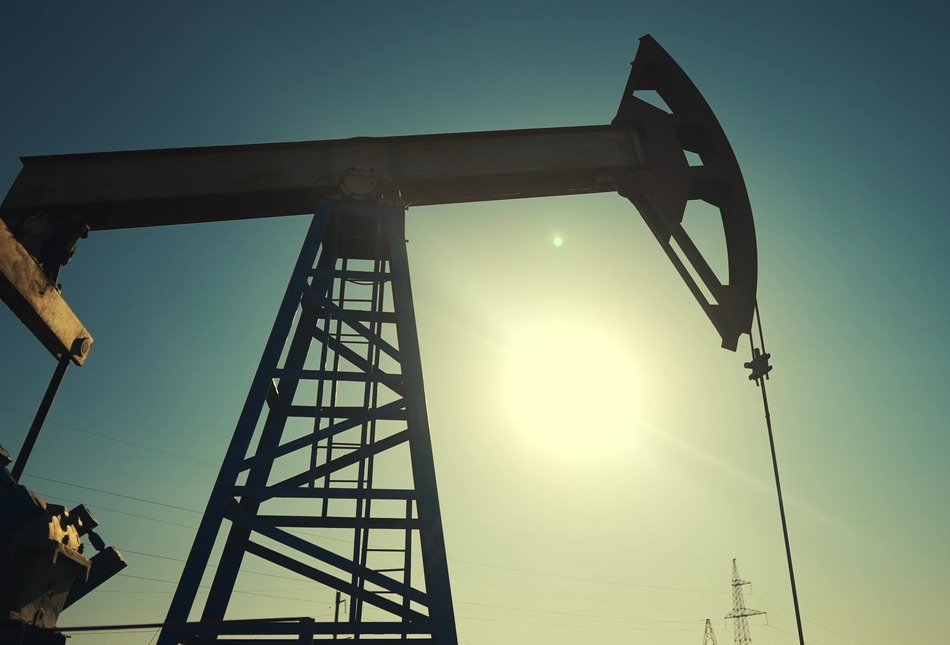
As the Middle East is a major oil-exporting region, conflict there led to prices rising. Deutsche Bank stated Brent crude was up 8.4%, though it added it was only the 38th largest oil spike since 1990.
The volatility continued on 3 March, with the FTSE 100 recording the biggest daily loss in 11 months when it fell 2.75%. Germany’s DAX (-3.6%), France’s CAC 40 (-3.5%), and Italy’s FTSE MIB (-3.9%) also suffered losses.
Asia-Pacific markets weren’t immune to the effects of the war in Iran either. Japan’s Nikkei index fell 3.6%, and South Korea’s KOSPI was down 12% on 4 March due to concerns about shipping through the Strait of Hormuz, a key sea passage for trade, particularly for oil.
On 11 March, the International Energy Agency proposed the largest release of oil reserves in history to bring crude prices down. The news led to Asian shares climbing, with the main indices in Japan and South Korea rising by 1.4%.
However, energy fears continued to influence European markets. On 16 March, the FTSE 100 was down by 1.9%, and the index’s 2026 gains were wiped out on 20 March.
Markets briefly rallied on 23 March following news that negotiations would take place between the US and Iran. However, there were conflicting reports that led to confusion. Despite this, US markets improved, with the Dow Jones up 2%, and construction equipment firm Caterpillar leading the way with a 4.4% rise.
UK
The Office for National Statistics said the UK economy stagnated in January 2026. The data suggests the economy was weakening even before the effects of the conflict in the Middle East were felt. Furthermore, inflation in the 12 months to February 2026 was 3%, stubbornly sticking above the Bank of England’s (BoE) 2% target.
The British Chambers of Commerce commented that the UK is stuck in a “low-growth pattern”, after the 2026 GDP forecast was downgraded from 1.2% to 1%. The organisation said the revised estimate reflects weak productivity, subdued investment, and cautious consumer spending.
At the start of March 2026, Chancellor Rachel Reeves delivered the government’s Spring Statement. In it, she said inflation would fall faster than expected, economic growth would pick up in 2027 and 2028, and there was headroom in the budget.
However, the calculations were made before the conflict in the Middle East began, which is expected to affect the economic outlook.
For instance, rising energy prices could influence inflation. Indeed, the Office for Budget Responsibility estimated the Iran war would add 1% to UK inflation this year. In turn, high inflation may lead to the BoE increasing interest rates, which would place pressure on consumers and businesses.
Data from S&P Global’s Purchasing Managers’ Index (PMI) was positive for the manufacturing and service sectors.
In February 2026, the manufacturing PMI continued to grow, recording a reading of 51.7 – a figure above 50 indicates growth – and a rise in business both at home and abroad. The service sector fell slightly compared to the previous month to 53.9, but still shows growth.
In contrast, the construction sector fell to 44.5 in February, which marked 14 consecutive months of contraction.
Europe
Across the eurozone, the annual inflation rate was 1.9% in February 2026, up from 1.7% a month earlier, and very close to the European Central Bank’s (ECB) 2% target.
The ECB opted to hold interest rates in March, but warned that uncertainty could lead to higher inflation and pose risks to economic growth, which might lead to higher interest rates in the coming months.
The European Commission consumer confidence survey highlights this fear among consumers, with the reading falling amid worries that the Iran war could drive up energy costs.
The S&P flash report on output in the eurozone fell to 50.5 in March, down from 51.9 in February. The reading represents a 10-month low, and it is close to the 50 mark, which signals stagnation.
US
As expected, inflation in the 12 months to February 2026 remained stable at 2.4%.
However, data from the Bureau of Labor Statistics was less positive. The US economy lost 92,000 jobs in February, which could be a sign that the market is cooling, and the ongoing conflict might lead to businesses taking a more cautious approach in the coming months.
A consumer sentiment survey carried out by the University of Michigan indicates that the Iran war is already influencing how confident people feel about their financial future. The reading fell from 56.6 in February to 55.5 in March.
Please note:
This article is for general information only and does not constitute advice. The information is aimed at individuals only.
All information is correct at the time of writing and is subject to change in the future.
The value of your investments (and any income from them) can go down as well as up and you may not get back the full amount you invested. Past performance is not a reliable indicator of future performance.
Investments should be considered over the longer term and should fit in with your overall attitude to risk and financial circumstances.